

Homelessness promises must lead to action
As winter approaches, the real test of national ambition is whether it brings safe accommodation, joined-up support and a route to a settled home for people facing homelessness.
Last week, on World Homeless Day (10 October), Andy Burnham renewed his belief that rough sleeping can be ended and said we should never accept it as normal. His remarks followed the launch of the government’s £442 million Rough Sleeping Programme, which aims to ensure everyone sleeping rough who needs help is offered a route off the streets before Christmas. That urgency is welcome. The test now is how the commitment changes the response in people’s lives.
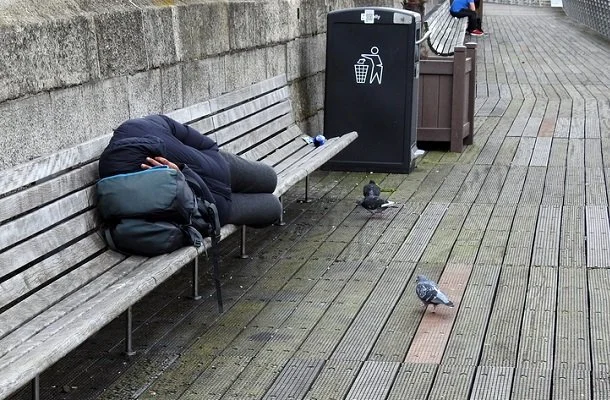
The need is clear in the latest official figures. In June, an estimated 8,748 people slept rough over the course of the month in England; 37% had been sleeping rough long-term. At 31 March, 135,580 households were living in temporary accommodation, including 177,530 children. These are distinct measures of homelessness, but both show the scale of the task. Government rough sleeping data and temporary accommodation statistics
Getting someone away from the street is essential, but it is not enough on its own. Accommodation must be safe, suitable and connected to the right support. The government has opened a consultation on extending Awaab’s Law to private rented tenancies and licences, including some forms of temporary accommodation. New Housing Benefit rules that came into force on 5 October also mean residents in temporary and supported housing can keep more of what they earn when they start work or increase their hours. These measures matter when they improve people’s security and choices.
Greater Manchester has an opportunity to turn the national programme into a coordinated local response. GMCA has been allocated £16.95 million across 2026/27 to 2028/29: £6.1 million for this year’s activity, with a provisional £10.85 million for 2027/28 and 2028/29. First-year plans include immediate accommodation, more outreach and navigator roles, floating support, and more tailored offers for people experiencing multiple disadvantage. The longer-term funding is intended to support settled accommodation and ongoing support, including Housing First, housing-led and supported housing.
Greater Manchester’s plans recognise that rough sleeping support cannot sit on its own. They are intended to connect with the developing Enhanced Live Well offer and coordinate housing, health, substance use, employment, justice and community support. That matters for people with multiple disadvantages who may not be able to access standard offers. It also means practical immigration advice and culturally competent support for people whose asylum support is ending; GMIAU and Greater Manchester Law Centre have published guidance for people asked to leave asylum accommodation. Local services should work around people’s needs, learn from lived experience and build on A Bed Every Night rather than add disconnected programmes.
One example is the Routes Home Fund, powered by Greater Manchester Mayor’s Charity in partnership with The Charity Service and the Booth Centre. It offers 12-month grants of £12,500 to eligible local organisations, with decisions shaped by people with lived experience of homelessness. The Charity Service
Since 2019, Greater Manchester Mayor’s Charity funding has supported 87,400 nights of accommodation through A Bed Every Night, which began in 2018. Emergency accommodation matters. The next measure is whether someone can move into a settled home with the support to stay there, and whether the system can prevent a return to the street.
“National ambition matters, but people need to experience it as action where they live. That means safe and suitable accommodation, outreach that builds trust, the right health and specialist support, and a clear route into settled housing. A bed can be a lifeline, but it cannot be the whole response. We should judge progress by whether people can stay housed, and whether our systems are preventing others from reaching crisis.”
Anne Rhind, Chief Executive, Greater Manchester Mayor’s Charity
Ending rough sleeping will take sustained funding, practical accountability and partnership across councils, housing providers, health services, charities, employers, justice and community organisations. People with lived experience must help shape delivery and assess what works. Words and pledges can set direction; progress is measured by what changes for people tonight, this winter and beyond.